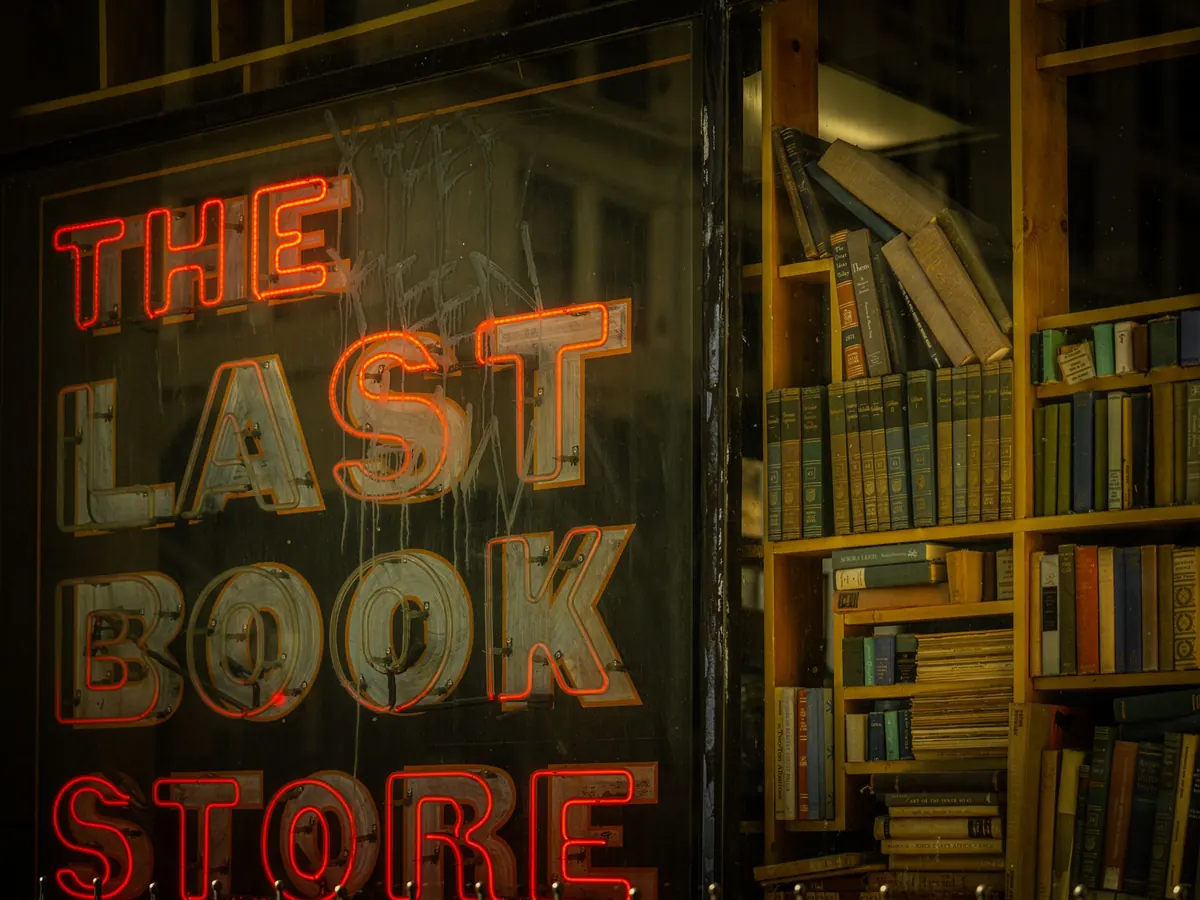
Summer Reading Guide: Best Books for the Beach, Garden and Commute
Summer reading is less about a particular sort of book than about a match between what you are holding and where you happen to be holding it. The novel that keeps you up until two in the morning can be a misery on a packed train, while the slim essay collection that flies by on a long flight may slip straight out of your head if you try it in ten-minute bursts at a bus stop.
So this guide is arranged by situation rather than by genre. Beach, garden, commute: three very different reading environments, each with its own demands. Choose according to where you will actually be sitting, and you stand a much better chance of finishing more books this summer than you did last.
What each setting asks of a book
Before you raid the shelves, it helps to be honest about the conditions you will be reading in.
- The beach — glare, wind, sand, dozing, and constant interruptions. You need momentum: a plot that pulls you back after twenty minutes of staring at the sea, and pages you can find your place in again without effort.
- The garden — long light, a decent chair, and the chance to read for two hours without moving. This is where big, slow, immersive books earn their keep.
- The commute — broken into fragments, often standing up, frequently interrupted by a change of platform. Short chapters and a clear narrative voice matter far more than literary ambition.
A holiday book should be one you would have read anyway, only faster and with more ice in your glass.
For the beach: a story that pulls you along
Sand gets into everything, including your patience. Leave the hardback at home and take a paperback you do not mind creasing, or read on a device with the brightness turned right up so you are not squinting against the sun. A zip-lock bag has saved more beach books than any bookmark.
What you want is narrative drive. Daphne du Maurier's Rebecca is almost purpose-built for this: a young woman, a grand house, a dead first wife and a secret that keeps unfolding. Agatha Christie works beautifully too, particularly the island-set And Then There Were None, where the short chapters make it easy to stop when someone needs sun cream and start again when they do not.
If you prefer something warmer and lighter, try Elizabeth von Arnim's The Enchanted April, in which four women escape a damp English spring for a month in an Italian castle. It is funny, generous and undemanding in the best sense. Françoise Sagan's Bonjour Tristesse is shorter still — a single hot Riviera summer, read in an afternoon, with a sting in the tail. Try reading it in one sitting on the sand; it works better that way.
For the garden: length, texture and time
The garden rewards the opposite approach. With a long afternoon ahead of you, a fat nineteenth-century novel is not a chore but a holiday in itself. George Eliot's Middlemarch and Dickens's Bleak House both repay slow reading, and both are built in instalments — originally published in parts, which is precisely why they are so good at welcoming you back after a break for tea.
If you would rather have adventure than provincial life, Alexandre Dumas's The Count of Monte Cristo is a thousand pages of betrayal, prison, treasure and revenge, and it never feels like homework. Hilary Mantel's Wolf Hall is denser but just as absorbing once you settle into its present-tense rhythm.
Shorter options for a deckchair
Length is not the same as depth. J. L. Carr's A Month in the Country is a small book about a damaged man restoring a church mural in a Yorkshire village, and it says more in 150 pages than many novels manage in 600. Nan Shepherd's The Living Mountain, a slim meditation on the Cairngorms, is ideal for reading in short stretches with your eyes half on the garden.
One practical habit worth adopting: keep a pencil with your garden book and mark the odd line. You will remember far more of it in September.
For the commute: short chapters and quick returns
The train, bus or tube demands a book you can put down mid-sentence and pick up again without losing the thread. Comic novels are ideal, because the jokes reset your attention every page or two. Jerome K. Jerome's Three Men in a Boat is episodic by design, and Stella Gibbons's Cold Comfort Farm is as sharp now as it was when it first sent up rural melodrama.
Short story collections, diaries and essays also earn their place in a bag. The Grossmiths' The Diary of a Nobody is made of brief entries, so a single stop is enough for one. Bill Bryson's Notes from a Small Island works for the same reason: jokes and observations you can take one at a time.
If you walk, drive or cycle
Then an audiobook makes more sense than print, and the same rules apply. Choose something with a strong voice and clear structure — comic travel writing and classic detective fiction both narrate well. Keep a paperback in your bag as a permanent resident rather than carrying your main book back and forth, and you will always have something to read when a train is delayed.
Building your summer reading stack
Rather than buying a dozen books and finishing two, build a small, deliberate pile. Something like this works well:
- One long book for the garden or a quiet week off. Commit to it and do not start anything else until it is done.
- Two or three mid-length novels with strong plots — these are your beach and bank holiday books.
- One short-story collection or essay book for fragmented journeys and waiting rooms.
- One audiobook for walking, driving or chores.
Then follow two rules. First, test before you commit: borrow from your local library or read the opening pages in a shop, because a book that fails on page thirty will fail for the rest of the summer too. Second, abandon without guilt. A holiday is too short to spend on a book you are forcing yourself through, and the one you set aside frees up room in your bag for something you will actually remember.
Read in the shade during the hottest part of the day, keep a bookmark to hand, and let the setting do some of the work. The books that stay with you are usually the ones that suited the moment they were read in.

You Might Also Like
A thoughtful review of Raynor Winn's coastal memoir, with notes on its strengths and slow patches, who will enjoy it, and what to read next.
How to set up a book club that survives past the first meeting: who to invite, how often to meet, how to choose books, and how to keep the discussion warm.