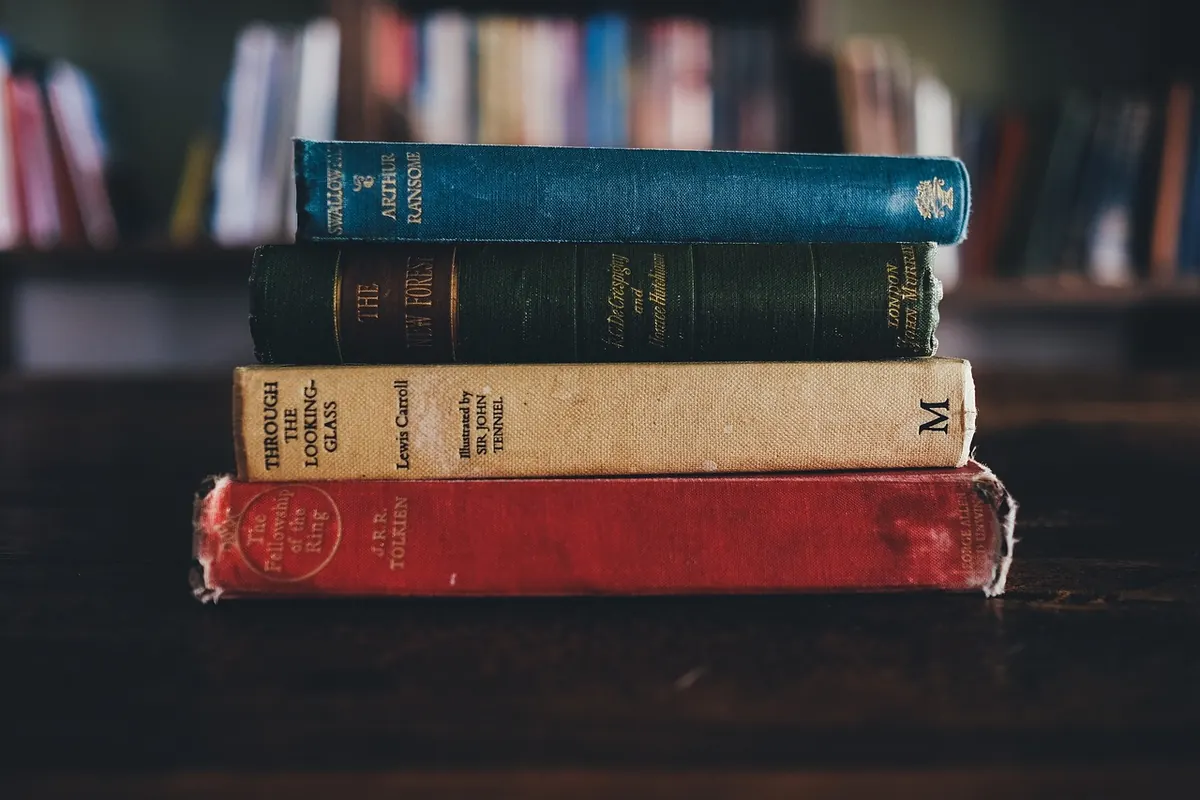
A Beginner's Guide to Book Genres: Where to Start with Fiction and Non-Fiction
Genres are not rules. They are shelf labels: useful shorthand for the sort of reading experience waiting inside a book, and nothing more. The crime section tells you a puzzle or a wrongdoing is probably on the way. The romance section promises that a relationship sits at the centre of things. Neither label tells you whether the writing is any good, or whether the book will suit you on a wet Tuesday in November.
So treat each genre as a doorway rather than a destination, and give yourself permission to step back out again. What follows is a tour of the sections you will find in a British bookshop or library, a few suggestions for a first book in each, and a method at the end for choosing well on your own.
Before You Choose a Genre, Notice What You Already Like
Most people walk into a bookshop with a vague sense of what they want, which is why browsing can go so badly. Two minutes of honest thinking beforehand saves twenty minutes of hovering by the three-for-two table.
Start with what you already consume. If you have watched every episode of a detective series and enjoyed arguing with the screen about who did it, crime fiction is a short step rather than a leap. If you spend evenings reading long articles about Tudor politics or deep-sea biology, that is a signal too. Your interests outside books are not a separate part of you.
Then ask what you want the book to do. Try finishing this sentence: I want a book that will…
- give me a puzzle to solve
- let me disappear into another world for a fortnight
- follow a relationship I can care about
- make me think differently about something
- feel like comfort, or a familiar voice
None of those answers is better than the others, but each one points towards a different shelf.
Fiction: A Tour of the Main Shelves
Fiction categories overlap, and shops move books around depending on the season and the cover. Here is roughly what each section offers and where a newcomer might begin.
Crime, Mystery and Thriller
This is Britain's most crowded shelf, and it splits roughly in two. Classic mysteries give you a puzzle: a body, a closed circle of suspects, a detective who notices what everyone else missed. Agatha Christie's And Then There Were None remains a ruthlessly efficient starting point, and Josephine Tey's The Daughter of Time shows how strange and clever the form can get. Thrillers, by contrast, run on pace and danger rather than deduction. If you want tension rather than a riddle, look for a standalone thriller rather than a long-running series, so you are not committing to eight more books before you know whether you like the voice.
Science Fiction and Fantasy
Science fiction takes a change — a technology, a discovery, a disaster — and follows the consequences. Fantasy builds a world with its own rules and asks you to live in it. Both have a reputation for being difficult, which is unfair. Andy Weir's The Martian is fast, funny and largely about solving problems. Ursula K. Le Guin's A Wizard of Earthsea is slim, beautiful and a proper classic. For comedy, try Terry Pratchett's Guards! Guards!; for something gentler and more character-led, Becky Chambers writes science fiction that feels like a warm conversation.
Romance and Historical Fiction
Romance places a relationship at the heart of the plot and works towards an emotional payoff. That structure is a strength, not a limitation. Jane Austen's Pride and Prejudice is still the obvious entry point, Georgette Heyer wrote sparkling Regency comedies, and contemporary romance is thriving. Historical fiction sets a story in a real past. C. J. Sansom's Dissolution blends Tudor England with a murder investigation, which makes it a comfortable bridge from crime. Hilary Mantel's Wolf Hall is magnificent but demanding; save it for when you are ready to give a book your full attention.
Horror and the Gothic
Horror is about dread rather than gore. It works best when it unsettles the ordinary. Shirley Jackson's The Haunting of Hill House is short and quietly terrifying; Stephen King's Misery is more of a thriller with the tension turned up, and a good choice if you would rather be gripped than frightened. One practical note: if you read at night and are prone to a racing imagination, these are excellent daytime books.
Literary Fiction
This shelf gathers novels valued for prose, character and observation rather than for plot mechanics, and it is where prize lists usually live. It is not automatically harder. Often it is quieter. Kazuo Ishiguro's The Remains of the Day is a good first step: short, controlled, and quietly devastating. Anne Tyler writes about ordinary families with great precision. If a literary novel bores you, that is information about the book, not about your intelligence.
Where Genres Blur
Plenty of good books refuse to sit still. Ishiguro's Never Let Me Go is usually shelved as literary fiction but borrows openly from science fiction. Margaret Atwood's The Handmaid's Tale does something similar. Crime novels can be deeply literary; fantasy can be a family saga with dragons. If a book you loved turns out to belong to a genre you thought you disliked, that is worth noticing. And if one book in a genre disappoints you, do not write off the whole shelf.
Non-Fiction: Sections That Reward Curiosity
Non-fiction is arranged more by subject than by genre, but a few broad categories cover most of it:
- Memoir and autobiography — one life, told by the person who lived it. Tara Westover's Educated is a well-known example.
- Popular science — complex ideas explained clearly. Bill Bryson's A Short History of Nearly Everything is a friendly place to start.
- History — narrative history reads like a story and is often the easiest way in. Mary Beard's SPQR covers ancient Rome.
- Nature and place writing — landscape, weather, walking, wildness. Robert Macfarlane is a fine guide here.
- Biography — choose a subject you already find interesting and let the book do the rest.
- Essays and criticism — ideal if you read in short bursts, since every piece starts fresh.
- Narrative non-fiction — true stories told with the pace of a novel. Ben Macintyre's Agent Zigzag is a good example.
Non-fiction suits fragmented reading better than most novels do. A chapter a night works well, and skipping chapters is entirely acceptable. One sensible note: if a book deals with health, money or legal matters, treat it as a starting point and speak to a qualified professional before acting on it.
How to Choose a First Book in Any Genre
- Read the first page. In a shop, or using a sample online. If the sentences feel like work, believe that instinct.
- Check the shape. Short chapters help on busy weeks. A 600-page epic needs a different kind of commitment.
- Ask for a comparison. Booksellers and librarians match readers to books all day. Say what you last enjoyed and let them work.
- Borrow before buying. A library card is the cheapest way to sample a genre with no regrets.
- Give it fifty pages. Then decide, without guilt. Abandoning a book is not failure; it is how you find the ones worth keeping.
Reading habits are built on pleasure, not duty. Pick one genre that sounds faintly interesting, choose a short book with a cover you like, and start tonight. If it does not take, you have lost an evening and learned something useful about your taste. If it does, you have found a whole shelf to explore.
Photo: AnnieSpratt / Pixabay

You Might Also Like
A thoughtful review of Raynor Winn's coastal memoir, with notes on its strengths and slow patches, who will enjoy it, and what to read next.
A seasonal guide to matching the right book to the right spot — whether that's a windy beach, a sunny garden or a ten-minute train journey.